
"Whose Work Is It Anyway?" The Truth About Standards and Volunteer Contributions

I’ve been thinking a lot lately about how people perceive standards: what they’re for, how they’re built, and who’s responsible for shaping them. Not long ago, during a conversation with someone seeking accreditation, a comment gave me pause. A suggestion, perhaps offered half in jest, was that organizations like ours rely on “volunteer labor to do your work for you.”
That phrase stuck with me. Not because it was said with malice—it wasn’t—but because it surfaces a misunderstanding worth addressing. Let’s unpack that idea not as a defense, but as an invitation to understand how the work of building a standard actually gets done—and why the term volunteer labor might not mean what some think it does.
It’s Not “Using” Volunteer Labor. It Is Volunteer Leadership.
Our organization isn’t run for volunteers; it’s run by them. As a nonprofit, our staff may handle the logistics and day-to-day operations, but a volunteer Board of Directors sets the strategic direction. A volunteer Commission maintains the integrity of our accreditation process, and most relevant to this discussion, our standards are created and maintained by a volunteer Council on Standards Development.
These volunteers aren’t doing our work. They are the work.
They bring experience from across industries, geographies, and learning environments. They hash out ideas, debate improvements, and ultimately build a better framework for the benefit of the entire learning ecosystem.
Consensus Means Many Voices—Not Just the Loudest Ones
We don’t draft the Standard behind closed doors and simply ask for a thumbs-up. Ours is a consensus-based standard which means it’s not only open to many voices, it also requires many voices. We can’t release a revision unless a balanced group of stakeholders drafts it, reviews it, agrees to it, and signs off on it. It then goes through a period of public consultation during which any stakeholder can provide feedback on the revised changes.
It’s a system designed for transparency, credibility, and community ownership rather than speed or convenience. That’s why we go out of our way to include educators, instructional designers, regulators, trainers, and yes, even skeptical providers.
If You Don’t Like It, Help Make It Better
I understand the frustration a user feels when a process feels unnecessarily complex. I’ve been on the receiving end of hard-to-digest standards myself. But here’s the beauty of our process: if you think there’s a better way, you don’t need to grumble in the corner. You can roll up your sleeves and make a difference.
We have mechanisms in place to review and refine the Standard based on stakeholder feedback. If something doesn’t make sense or seems outdated, we want to know. That’s not just allowed—it’s encouraged.
So Yes, We Use Volunteers—With Honor and Intention
Rather than being used, the volunteers who shape our Standard are being trusted with the responsibility of defining what high-quality continuing education and training looks like in today’s world. We trust them to speak for those who might not otherwise have the opportunity to participate and to build something bigger than themselves.
And for those who don’t want to be involved? That’s okay, too. But I hope they’ll recognize that the door is open, there is an available seat at the table, and that sometimes the best way to challenge a system is to help improve it from the inside.
About the Author
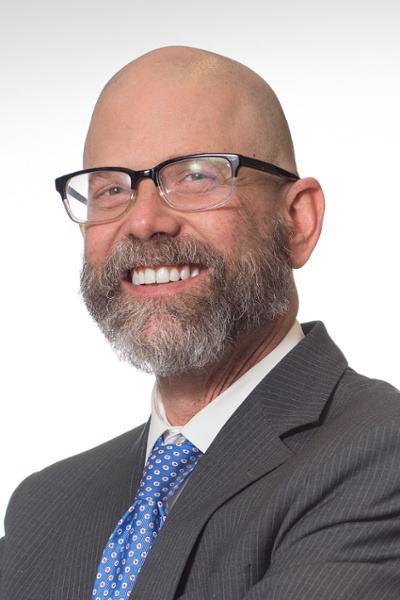
Randy is a seasoned executive leader currently serving as the President and CEO of IACET, a non-profit accrediting body in the continuing education and training sector. With a focus on strategic vision and operational excellence, he effectively leads the organization to achieve its mission and goals.
With over two decades of experience in various leadership roles, Randy has a proven track record of driving organizational success. His expertise lies in aligning technological solutions with strategic objectives, ensuring operational efficiency and sustainable growth.